Insights from a CEO: Building global leaders for a changing economy
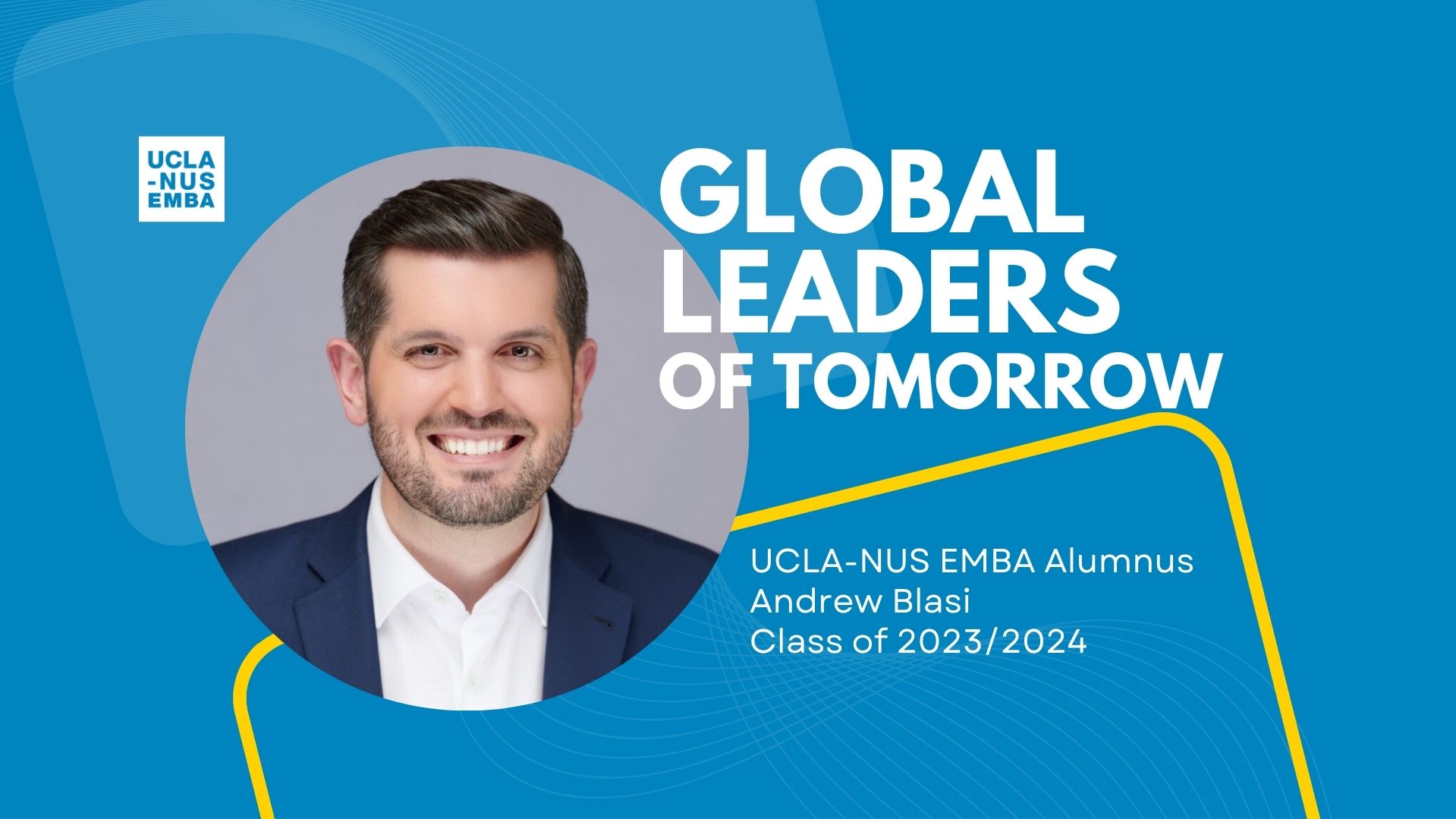
From Andrew Blasi, CEO of Ethicist International, Class of 2022/2023
Why Modern Leadership Requires Continuous Learning
In today’s stakeholder-driven economy, leadership is no longer about mastering a single discipline. It requires balance between strategy and ethics, policy and execution, and vision and adaptability.
As CEO of Ethicist International, a global advisory firm working with Fortune companies, governments, and major institutions, I’ve seen firsthand how rapidly the global business environment is changing. Leaders today must continuously develop a diverse set of skills to navigate ethical complexity, global uncertainty, and organizational transformation.
The Importance of Broad, Global Business Skills
Business leaders, especially those with international responsibilities, must recognize that the global system of the past 20–30 years is evolving. Old assumptions about markets, operations, and leadership no longer hold.
This is why broad-based executive management education is so valuable. A strong EMBA experience allows leaders to sharpen existing skills while expanding into new areas critical for running world-class organizations, from operations and services strategy to workforce readiness and organizational resilience.
Learning From the Best, Not Just Learning More
For me, learning has never been about education for its own sake. What matters is learning from people with deep, real-world experience and being able to apply that knowledge immediately.
The value of a global EMBA lies in its practical focus and insights that can be deployed in boardrooms, operations meetings, and conversations with partners around the world. When learning is actionable, it becomes a competitive advantage.
Immersive Learning That Fits an Executive Career
One of the most compelling aspects of a well-designed EMBA is its structure. A rigorous yet modular format makes it possible to balance professional responsibilities while remaining deeply engaged.
Beyond technical skills, the experience fosters a critical mindset shift, prioritizing listening, learning, and seeking diverse perspectives. That shift is just as important as any individual course or framework.
The Power of Diverse Cohorts and Team-Based Learning
Diversity within a cohort significantly enhances the learning experience. Leaders from different industries, cultures, and backgrounds challenge assumptions and broaden perspectives.
Team-based work also plays a crucial role. Collaboration, trust, and shared responsibility are not only essential leadership skills, but they are also key to managing time effectively and getting the most out of an EMBA program.
Advice for Future EMBA Candidates and Executive Leaders
For leaders considering an EMBA or executive education program, my advice is simple:
- Lean into every part of the experience
- Stay open to unexpected value in each module
- Build a strong system for capturing and revisiting your learnings
- Commit fully, both individually and as a team member
Every element of the learning journey will prove valuable at different points in your career, often in ways you don’t initially anticipate.
A Lasting Investment in Leadership Growth
The learning journey never truly ends. But when learning is intentional, immersive, and grounded in global business realities, it equips leaders to navigate today’s challenges and tomorrow’s opportunities with confidence.
In an era defined by complexity and change, the commitment to continuous learning may be the most important leadership skill of all.
Connect with the admissions team today!
Click here to learn more about the UCLA-NUS EMBA program and how it supports global leaders.
Alternatively, click here to schedule a 1-on-1 Zoom call with our admissions staff.